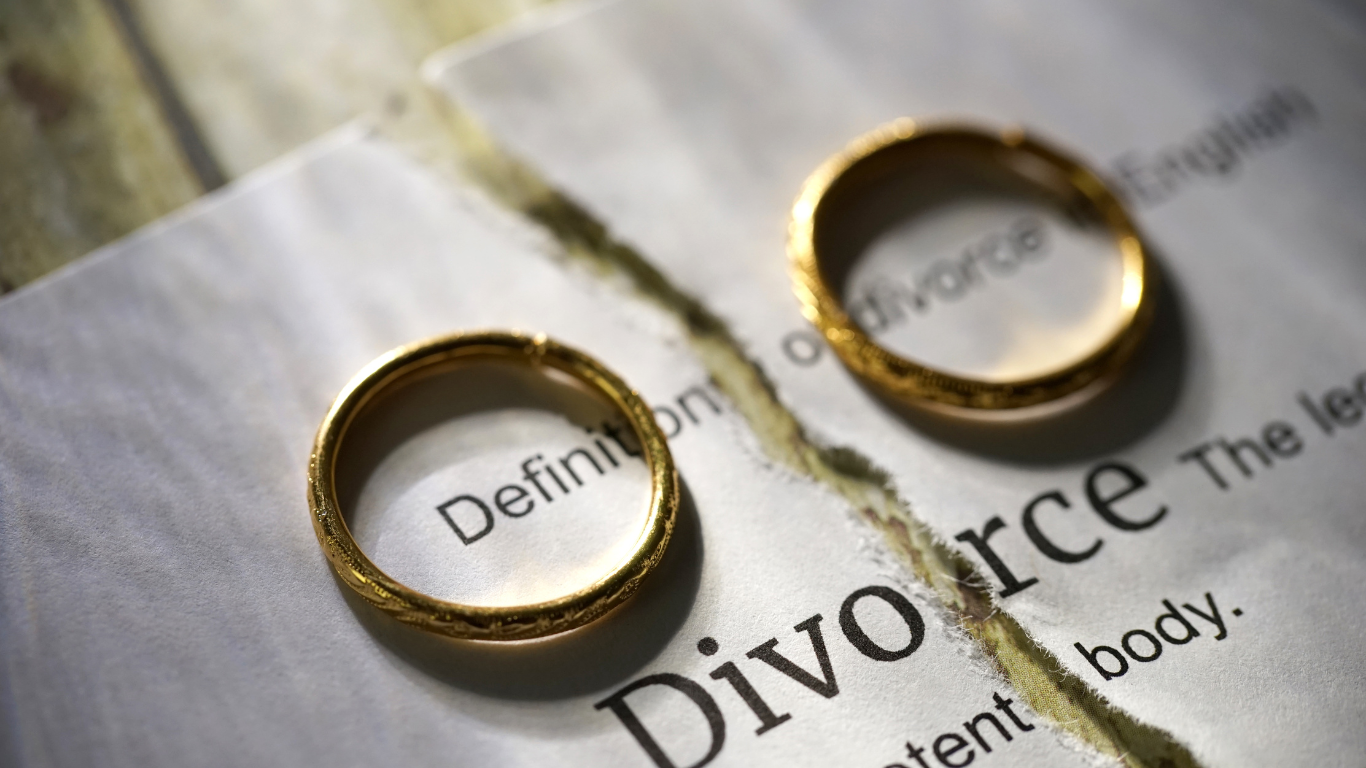
Marriage to a U.S. citizen often opens the door to permanent residency through a Green Card, but what happens if the marriage ends in divorce? Does your legal status in the United States get revoked, or can you retain your Green Card despite the end of the marriage? These questions are crucial for anyone navigating the complexities of the U.S. immigration system after a significant life change like divorce.
Divorce can create uncertainty, especially if you hold a conditional Green Card based on a recent marriage. While your immigration status may not be automatically revoked, the situation depends on several factors, including the type of Green Card you hold and how long you’ve been married. Understanding the relationship between divorce and your Green Card status can help you make informed decisions and take proactive steps to secure your residency. In this article, we’ll explore whether a Green Card can be revoked upon divorce, the impact of conditional residency, and the options available to protect your legal status.
Conditional vs. Permanent Green Card: What’s the Difference?
The first factor to consider when assessing how divorce affects your Green Card status is the type of residency you hold.
Conditional Green Card
If you received a Green Card through marriage and have been married for less than two years at the time of issuance, you likely hold a conditional Green Card. This card is valid for two years and requires you to file Form I-751 to remove the conditions and secure permanent residency. The conditional status exists to ensure the marriage is legitimate and not just for immigration purposes.
Permanent Green Card
On the other hand, if you’ve been married for over two years, you likely received a 10-year Green Card. Divorce does not usually affect the status of this card, though it can raise questions during renewal or if USCIS suspects fraud.
Divorce and Conditional Green Card: Can It Be Revoked?
If you hold a conditional Green Card, divorce can complicate the process of becoming a permanent resident. However, it doesn’t necessarily mean your Green Card will be revoked. Here’s what you need to know:
Filing Form I-751 After Divorce
Under normal circumstances, couples with a conditional Green Card must file Form I-751 jointly to remove the conditions. But if you get divorced before filing, you’ll need to file Form I-751 on your own and request a waiver of the joint filing requirement. In this situation, it’s critical to prove that the marriage was entered into in good faith, not solely for immigration purposes.
To support your case, you should gather substantial evidence showing that your relationship was genuine. This may include:
- Joint leases or mortgage agreements
- Joint bank accounts or financial records
- Photos together over the course of the marriage
- Statements from friends or family verifying the legitimacy of the marriage
The key is to demonstrate that the marriage wasn’t fraudulent, even though it ended in divorce. USCIS will carefully review your case, and you may be required to attend an interview to provide additional information.
Fraud and Green Card Revocation
If USCIS determines that the marriage was fraudulent—meaning it was entered into solely for immigration benefits—your Green Card can be revoked. Fraud investigations often occur after a divorce, especially if there are signs that the relationship was not genuine. In such cases, revocation can lead to removal (deportation) proceedings.
Permanent Green Card Holders: What Happens After Divorce?
For those with a permanent 10-year Green Card, divorce is less likely to result in revocation. However, it could still impact your immigration status in specific circumstances.
Divorce During Green Card Renewal
When it’s time to renew your Green Card, USCIS may ask questions about the current status of your marriage, particularly if the original Green Card was based on marriage to a U.S. citizen. While a divorce alone is not grounds for revocation, it may trigger additional scrutiny from USCIS to ensure that your marriage was legitimate at the time of issuance.
If USCIS suspects that your marriage was fraudulent, you may be required to provide additional documentation to prove its authenticity. However, as long as your marriage was entered into in good faith, divorce should not prevent you from renewing your Green Card.
What If You Remarry?
Another important consideration is what happens if you remarry after your divorce. If you are a conditional resident, remarrying before filing Form I-751 could raise red flags with USCIS. This is because it might suggest that your first marriage was not genuine. If you are in this situation, it’s essential to work with an experienced immigration attorney to ensure that your case is handled correctly.
For permanent Green Card holders, remarrying generally does not affect your residency status, although it could impact future immigration benefits, such as applying for citizenship or sponsoring a new spouse for their own Green Card.
How to Protect Your Green Card Status After Divorce
Divorce is a significant life event, but it doesn’t have to jeopardize your immigration status if handled properly. Here are a few steps you can take to protect your Green Card status:
Gather Evidence of Your Marriage
As soon as you receive your conditional Green Card, begin compiling evidence that proves your marriage is genuine. This documentation will be crucial if you need to file Form I-751 after a divorce.
File Form I-751 Early
If you are approaching the two-year mark of your conditional residency and your marriage is in jeopardy, it’s advisable to file Form I-751 as soon as possible. Filing early can help avoid complications if a divorce is imminent.
Seek Legal Assistance
If you’re unsure about how your divorce will impact your Green Card status, it’s wise to consult with an immigration attorney. They can guide you through the process and help ensure that your rights are protected.
Conclusion
While divorce can complicate your immigration status, it does not automatically result in the revocation of your Green Card. For conditional residents, filing Form I-751 and proving that your marriage was genuine are essential steps toward securing permanent residency. For permanent residents, divorce is less likely to affect your status, though it may lead to increased scrutiny during Green Card renewal.
If you’re facing divorce and concerned about how it might impact your Green Card, don’t wait to seek help. Contact Quadros Law Office today for expert legal guidance on protecting your immigration status and navigating the complexities of U.S. immigration law.
📞 WhatsApp Message and Office Calls: 213 603 0000
💬 Text Messages: 213 884 8300
✉️ E-mail: info@quadroslawoffice.com
🌐 Website: www.quadroslawoffice.com
📍 Visit us: 453 S Spring Street, Los Angeles, California – 90013

Leave a Reply