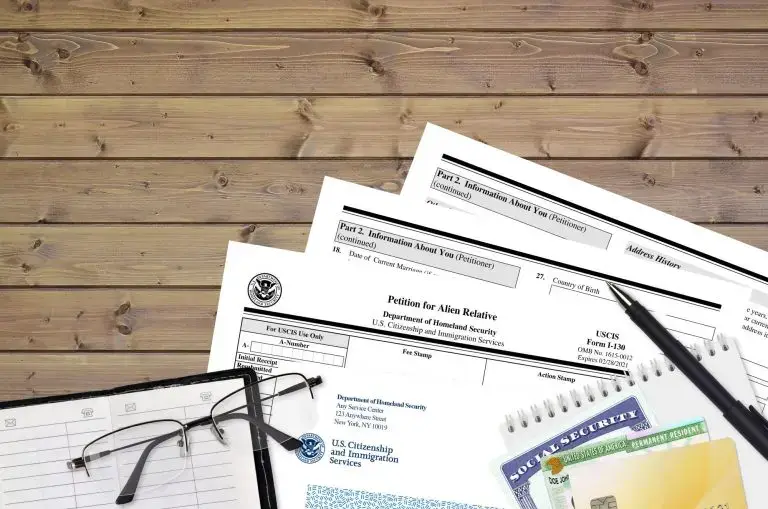
Visa Inmigrante y No Inmigrante

formularios de visa de inmigrante

Visa Inmigrante y No Inmigrante: ¿Qué Necesitas Saber?

Si estás planeando visitar o establecerte en los Estados Unidos, es fundamental que obtengas la visa correcta. El tipo de visa que necesitas depende del propósito de tu viaje. Dado que cada situación es única, esta guía te ayudará a entender los diferentes tipos de visas disponibles y cómo puedes solicitarlas.

¿Qué es una Visa?
Una visa es un documento oficial que te autoriza a entrar o salir de un país. En los Estados Unidos, existen dos categorías principales de visas: inmigrante y no inmigrante.

¿Quién Puede Obtener una Visa?
Para calificar para una visa, debes cumplir con ciertos requisitos establecidos por el gobierno de los Estados Unidos. Estos requisitos varían según el tipo de visa que estés solicitando. Contar con el apoyo de un abogado de inmigración puede ser clave para orientarte en este proceso.

Diferencia Entre Visas de No Inmigrante e Inmigrante
La diferencia principal entre las visas de no inmigrante y las visas de inmigrante radica en su temporalidad. Las visas de no inmigrante son temporales, mientras que las visas de inmigrante te permiten residir permanentemente en los Estados Unidos. Ambos tipos de visas permiten que te quedes en el país para un propósito específico, ya sea estudiar, trabajar o viajar.

Tipos de Visas de No Inmigrante
Existen varios tipos de visas de no inmigrante. Las más comunes incluyen:

  • Visa de Estudiante (F-1)
  • Visa de Visitante de Intercambio (J-1)
  • Visa de Trabajador Temporal (H-1B)
  • Visa de Turista (B-2)

A continuación, se detalla cada una:

Visa de Estudiante
Si tu objetivo es estudiar en los Estados Unidos, necesitarás una visa de estudiante. Para obtenerla, primero debes ser aceptado en una institución educativa en los EE. UU. Una vez aceptado, la escuela te proporcionará un formulario I-20, necesario para tu solicitud de visa.

Visa de Visitante de Intercambio
Si deseas participar en un programa de intercambio cultural en los Estados Unidos, necesitarás una visa de visitante de intercambio. Para solicitarla, primero debes ser aceptado en un programa patrocinado. El patrocinador te proporcionará el Formulario DS-2019, que necesitarás para solicitar tu visa.

Visa de Trabajador Temporal
Si planeas trabajar temporalmente en los Estados Unidos, necesitarás una visa de trabajador temporal. Existen diversos tipos de visas para trabajadores temporales, cada una con sus requisitos específicos. Primero, debes tener una oferta de trabajo de un empleador estadounidense. Una vez que la tengas, el empleador iniciará el proceso presentando una petición ante el gobierno de los Estados Unidos.

Visa de Turista
Si deseas viajar a los Estados Unidos por razones de ocio, necesitarás una visa de turista. Para obtenerla, debes demostrar que tienes lazos sólidos con tu país de origen, como un empleo, familia o propiedades, a los que regresarás después de tu viaje. Luego, deberás completar una solicitud de visa y programar una entrevista en una embajada o consulado de los Estados Unidos.

Tipos de Visas de Inmigrante
Existen dos tipos principales de visas de inmigrante: las basadas en la familia y las basadas en el empleo. Aquí te explicamos cada una:

Visas de Inmigrante Basadas en la Familia
Si tienes un familiar que es ciudadano estadounidense o residente permanente, podrías ser elegible para una visa de inmigrante basada en la familia. Para solicitarla, tu familiar deberá presentar una petición ante el gobierno de los EE. UU. Una vez aprobada la petición, deberás completar una solicitud de visa y programar una entrevista en una embajada o consulado de los Estados Unidos.

Visas de Pariente Inmediato
Si tienes un pariente inmediato que es ciudadano estadounidense, podrías calificar para una visa de pariente inmediato. Estos parientes incluyen cónyuges, hijos solteros menores de 21 años y padres de ciudadanos estadounidenses. Tu pariente deberá presentar una petición al gobierno de los Estados Unidos, y tras su aprobación, podrás solicitar tu visa y programar la entrevista en la embajada o consulado.

Visas de Preferencia Familiar
Si tienes un familiar que es ciudadano estadounidense o residente permanente, podrías ser elegible para una visa de preferencia familiar. Estas visas están destinadas a ciertos familiares, como hijos solteros mayores de 21 años, hijos casados de cualquier edad y hermanos de ciudadanos estadounidenses.

Las categorías de visa de preferencia familiar son:

  • F1: Hijos e hijas solteros de ciudadanos estadounidenses y sus hijos menores.
  • F2: Cónyuges, hijos menores e hijos solteros de residentes permanentes.
  • F3: Hijos e hijas casados de ciudadanos estadounidenses, y sus cónyuges e hijos menores.
  • F4: Hermanos de ciudadanos estadounidenses, y sus cónyuges e hijos menores.

Visas de Inmigrante Basadas en el Empleo
Si recibes una oferta de trabajo de un empleador en los Estados Unidos, podrías ser elegible para una visa de inmigrante basada en el empleo. Para obtener esta visa, tu empleador deberá presentar una petición al gobierno de los Estados Unidos. Además, el empleador debe garantizar que te pagará el salario prevaleciente y cumplirá con otros requisitos laborales.

Beneficios de una Visa de Inmigrante
Si obtienes una visa de inmigrante, podrías eventualmente solicitar la residencia permanente en los Estados Unidos (también conocida como “Green Card”). Una vez que seas residente permanente, podrías optar por la naturalización si decides convertirte en ciudadano estadounidense en el futuro.

Cómo Solicitar una Visa
Muchas personas eligen trabajar con un abogado para solicitar una visa debido a la complejidad del proceso. Los errores en los formularios o documentos exigidos por los Servicios de Ciudadanía e Inmigración de los Estados Unidos (USCIS) pueden resultar en la denegación de la visa.

El proceso de solicitud y las tarifas que debes pagar varían según el tipo de visa que estés buscando. Lo ideal es consultar con un abogado de inmigración que pueda brindarte la orientación necesaria.

¿Necesitas Asesoría Legal para Obtener una Visa?
Si estás considerando una visita o una estancia prolongada en los Estados Unidos, podríamos ayudarte a obtener la visa adecuada. Comunícate con nuestra oficina hoy mismo para programar una consulta con un abogado de inmigración experimentado que te brindará la orientación que necesitas.


📞 Mensajes de WhatsApp y llamadas de oficina: 213 603 0000  

💬 Mensajes de texto: 213 884 8300  

✉️ Correo electrónico: info@quadroslawoffice.com  

🌐 Sitio web: www.quadroslawoffice.com  

📍 Visítenos: 453 S Spring Street, Ste 616, Los Angeles, California – 90013  


Posted on Google Google
María Cristina Arangú profile picture
María Cristina Arangú
Google star 1Google star 2Google star 3Google star 4Google star 5Trustindex verifies that the original source of the review is Google.
La abogada Quadros se encargó de todo mi proceso de migración desde que vivía en mi país de origen; recibí mi green card a los 3 meses de haber llegado a EEUU. Todo fue expedito y sin errores. Actualmente me está llevando otro caso relacionado a daños personales. La recomiendo 100%!
Posted on Google Google
Yulia C. profile picture
Yulia C.
Google star 1Google star 2Google star 3Google star 4Google star 5Trustindex verifies that the original source of the review is Google.
Micheli was tremendously helpful with my case. As a homeowner, I had a huge problem with my HOA organization. Micheli went above and beyond helping me to keep my property. I would recommend her firm 100%!
Posted on Google Google
Carmen Beatriz Torrealba profile picture
Carmen Beatriz Torrealba
Google star 1Google star 2Google star 3Google star 4Google star 5Trustindex verifies that the original source of the review is Google.
La abogada Micheli Quadros ha sido mi abogada y de mi familia desde hace mas de 4 años y ha solventado los distintos casos que le he presentado. El primero fue la regularización de mi status migratorio, el de mi esposo y mis 2 hijos, luego un caso de desalojo en el que también nos ayudó de forma satisfactoria.
Posted on Google Google
Jenny HM profile picture
Jenny HM
Google star 1Google star 2Google star 3Google star 4Google star 5Trustindex verifies that the original source of the review is Google.
Una amiga me recomendó a la abogada Quadros para mi proceso de inmigración y el de mi familia, y no se equivocó! la abogada aclaró todas nuestras dudas y nos brindó tranquilidad durante todo el proceso. La abogada es demasiado profesional y tiene un trato cercano. El mes pasado recibí el correo mas esperado! mi tarjeta de residencia y la de mi familia habían llegado!! La recomiendo 1000%
Posted on Google Google
Chia “J” S profile picture
Chia “J” S
Google star 1Google star 2Google star 3Google star 4Google star 5Trustindex verifies that the original source of the review is Google.
Thank you Quadros Law Office. They didn't just accept the first offer and rush me into a settlement; they litigated and fought hard for an excellent result. I would definitely refer my closest loved ones to Ms. Quadros if they need a skilled and experienced attorney.
Posted on Google Google
Raquel Garrido profile picture
Raquel Garrido
Google star 1Google star 2Google star 3Google star 4Google star 5Trustindex verifies that the original source of the review is Google.
Quadros Law has represented me for the past few years with both immigration and divorce cases. Not only her attention to detail but her knowledge exceeded all my expectations. I highly recommend Quadros Law services!
Posted on Google Google
Tatyana Sushkova profile picture
Tatyana Sushkova
Google star 1Google star 2Google star 3Google star 4Google star 5Trustindex verifies that the original source of the review is Google.
She has been our family lawyer for a while now, she can handle anything you give to her. She has handled my divorce, U Visa and helped me get commercial insurance coverage for my business. And she has been successful in all of them! Definitely recommend her!
Posted on Google Google
Cecilia Jones profile picture
Cecilia Jones
Google star 1Google star 2Google star 3Google star 4Google star 5Trustindex verifies that the original source of the review is Google.
Wonderful professional! She helped me a lot and was super dedicated very grateful for her service . Thank you so much !
Posted on Google Google
Camila Brum profile picture
Camila Brum
Google star 1Google star 2Google star 3Google star 4Google star 5Trustindex verifies that the original source of the review is Google.
A Micheli Quadros, foi essencial para o nosso processo de imigração. Micheli foi sempre clara e direta, nos orientando em cada etapa. O processo foi eficiente e sem complicações, e conseguimos nosso visto rapidamente. Com certeza, continuarei recomendando a Quadros Law Office para quem precisar de assistência em imigração.
Posted on Google Google
Cira Antunes profile picture
Cira Antunes
Google star 1Google star 2Google star 3Google star 4Google star 5Trustindex verifies that the original source of the review is Google.
A Quadros Law Office APC foi incrível no meu processo de imigração por casamento. A Micheli Quadros sabe muito sobre as leis de imigração e sempre foi muito atenciosa e eficiente. Ela nos ajudou com todos os documentos e explicou cada passo de forma clara. Conseguimos nosso visto rápido e sem problemas. Recomendo muito os serviços da Quadros Law Office APC para quem precisa de ajuda com imigração em Los Angeles. Se você procura um advogado de imigração competente e profissional, aqui é o lugar certo.

Actualización sobre el Programa Parole in Place 2024: Bloqueo Temporal y Sus Implicaciones para los Inmigrantes Latinos

Página de USCIS

Recientemente, un juez federal en Texas ha emitido una orden para bloquear temporalmente el nuevo programa Parole in Place del gobierno del presidente Biden. Este programa había sido diseñado con el objetivo de ofrecer una vía de regularización para ciertos inmigrantes indocumentados que han residido en los Estados Unidos por más de 10 años y que están casados con ciudadanos estadounidenses, permitiéndoles ajustar su estatus migratorio sin necesidad de salir del país ni de solicitar un perdón.

Este programa tenía el potencial de beneficiar a más de medio millón de inmigrantes, proporcionando una solución significativa para quienes se encuentran en una situación migratoria precaria. Sin embargo, 16 estados, liderados por gobiernos republicanos, presentaron una demanda ante un tribunal federal, argumentando que el programa excedía la autoridad del poder ejecutivo. El juez federal que escuchó el caso falló a favor de los demandantes, bloqueando temporalmente la implementación del programa Parole in Place.

Es importante señalar que, a pesar de esta suspensión, el gobierno federal aún tiene la capacidad de recibir solicitudes bajo este programa, aunque no podrá procesarlas hasta que se levante la suspensión judicial. Esto significa que los inmigrantes interesados pueden presentar sus solicitudes, pero deben estar conscientes de que el procesamiento de estas solicitudes se encuentra en pausa.

Además, cabe destacar que el gobierno de Biden había anticipado la posibilidad de un bloqueo judicial y, en respuesta, ya ha anunciado su intención de apelar esta decisión. La apelación podría llevar el caso a instancias superiores, donde se determinará si la suspensión será mantenida o revocada.

Desde nuestra oficina, continuaremos monitoreando de cerca el desarrollo de este caso y su impacto en la comunidad inmigrante. Es fundamental que los inmigrantes afectados por esta decisión se mantengan informados sobre las actualizaciones y cambios que puedan surgir en las próximas semanas y meses. Por ello, le invitamos a seguir nuestro blog y nuestras redes sociales, donde proporcionaremos la información más reciente sobre este y otros temas migratorios de relevancia.

Si usted o un ser querido se encuentra en una situación migratoria que podría verse afectada por esta decisión, le recomendamos buscar asesoría legal lo antes posible. En Quadros Law Office, estamos comprometidos a brindar apoyo y orientación legal a la comunidad inmigrante. No dude en ponerse en contacto con nosotros para obtener más información y asistencia en su caso específico. Estamos aquí para acompañarle en cada paso del proceso y asegurar que sus derechos sean protegidos.


📞 Mensajes de WhatsApp y llamadas de oficina: 213 603 0000 

💬 Mensajes de texto: 213 884 8300

✉️ Correo electrónico: info@quadroslawoffice.com

🌐 Sitio web: www.quadroslawoffice.com

📍 Visítenos: 453 S Spring Street, Ste 616, Los Angeles, California – 90013

Parole In Place: La Nueva Regulación de Inmigración de Biden Ayudará a Mantener Juntos a los Cónyuges Inmigrantes de Ciudadanos Americanos y a sus Hijos

family together hugging

En junio de 2024, la administración de Biden introdujo una nueva y esperada regulación de inmigración conocida como Parole in Place. Este programa está diseñado específicamente para ayudar a mantener unidas a las familias, permitiendo que los cónyuges inmigrantes de ciudadanos estadounidenses y sus hijos puedan permanecer en los Estados Unidos mientras ajustan su estatus migratorio, sin tener que abandonar el país.

¿Qué es el Parole in Place?

El Parole in Place (PIP) es una política que permite a ciertos inmigrantes que están en los Estados Unidos sin un estatus legal ajustar su situación sin la necesidad de salir del país para asistir a una entrevista consular. Originalmente, el Parole in Place se dirigía principalmente a los familiares de miembros del ejército, pero con esta nueva regulación bajo la administración de Biden, el alcance del PIP se ha ampliado para incluir a cónyuges e hijos de ciudadanos estadounidenses.

¿Quiénes Califican para el Parole In Place?

Para ser elegible para el Parole in Place bajo la nueva regulación de 2024, los solicitantes deben cumplir con los siguientes requisitos clave:

  1. Matrimonio con un Ciudadano Estadounidense: Debes estar casado legalmente con un ciudadano estadounidense antes del 17 de junio de 2024. Este requisito asegura que el beneficio se aplique a matrimonios establecidos antes de la implementación de la nueva regulación.
  2. Residencia Continua en los EE. UU.: Debes haber residido de manera continua en los Estados Unidos desde al menos el 17 de junio de 2014. Este requisito demuestra un compromiso con la vida en los Estados Unidos y una conexión duradera con el país.
  3. Cumplimiento con Otros Requisitos: Además de los requisitos mencionados, debes cumplir con otros criterios específicos que serán detallados en el proceso de solicitud. Estos pueden incluir la ausencia de antecedentes criminales graves o cualquier otro factor que pueda considerarse un riesgo para la seguridad pública.

Beneficios del Parole In Place

El Parole in Place ofrece varios beneficios significativos para los cónyuges inmigrantes de ciudadanos estadounidenses:

  • Evitar la Separación Familiar: El mayor beneficio es que permite a los inmigrantes permanecer en los Estados Unidos mientras ajustan su estatus, evitando la necesidad de salir del país para asistir a entrevistas consulares, lo que podría llevar a separaciones familiares prolongadas y dolorosas.
  • Acceso a Permisos de Trabajo: Los beneficiarios del PIP pueden ser elegibles para obtener un permiso de trabajo mientras su caso está en proceso, lo que les permite trabajar legalmente y contribuir a la economía familiar.
  • Protección contra la Deportación: Al recibir el Parole in Place, los inmigrantes están protegidos contra la deportación mientras se resuelve su situación migratoria, brindando tranquilidad a las familias que enfrentan incertidumbre.

Proceso de Solicitud y Expectativas

El Departamento de Seguridad Nacional (DHS) planea comenzar a aceptar solicitudes para el Parole in Place en el verano de 2024. Los detalles específicos sobre cómo presentar una solicitud y los documentos necesarios serán proporcionados por el DHS en las próximas semanas. Es crucial que los posibles beneficiarios consulten con un abogado de inmigración calificado para asegurarse de que cumplen con todos los requisitos y para recibir orientación sobre el proceso de solicitud.

Consideraciones Finales

El Parole in Place representa un cambio importante en la política de inmigración de los Estados Unidos, con el potencial de beneficiar a miles de familias inmigrantes. Al permitir que los cónyuges de ciudadanos estadounidenses permanezcan en el país mientras ajustan su estatus, esta regulación refuerza el compromiso de la administración de Biden de mantener unidas a las familias y de proporcionar un camino más accesible hacia la residencia permanente.

Si crees que podrías calificar para el Parole in Place bajo la nueva regulación, te recomendamos encarecidamente que te pongas en contacto con un abogado de inmigración. Un experto puede ayudarte a navegar por este proceso y maximizar tus posibilidades de éxito.

Para más información y asistencia en tu caso, no dudes en agendar una consulta con nosotros. Estamos aquí para ayudarte a ti y a tu familia a construir un futuro seguro y estable en los Estados Unidos.


📞 Mensajes de WhatsApp y llamadas de oficina: 213 603 0000  

💬 Mensajes de texto: 213 884 8300  

✉️ Correo electrónico: info@quadroslawoffice.com  

🌐 Sitio web: www.quadroslawoffice.com  

📍 Visítenos: 453 S Spring Street,  Los Angeles, California – 90013  


La información contenida en este sitio web es de naturaleza general y está sujeta a cambios en cualquier momento. Como tal, es posible que no aplique a todas las situaciones. Por lo tanto, no debe interpretarse como asesoramiento legal en ningún caso o momento. Asegurése de consultar con un abogado sobre su situación específica antes de iniciar un proceso legal.

Can I Travel Abroad While My Adjustment of Status Application Is Pending?

girls with travel backpacks going to travel

Applying for a green card through the adjustment of status process is a significant step toward becoming a permanent resident of the United States. However, it is essential to understand the implications of travel while your application is pending. Many applicants wonder if they can travel abroad during this period, and while it is technically possible, there are crucial reasons why it’s generally not a good idea.

Understanding Adjustment of Status

The adjustment of status (AOS) process allows individuals already in the United States to apply for a green card without having to return to their home country to complete visa processing. This process is convenient but comes with strict regulations that applicants must follow to avoid jeopardizing their application. One of the most critical aspects to consider is how travel outside the United States can affect your AOS application.

Risks of Traveling While Your Application Is Pending

  1. Abandonment of Your Application: When you leave the United States while your AOS application is pending, U.S. Citizenship and Immigration Services (USCIS) may consider your application abandoned. This is particularly true if you do not have the appropriate travel authorization, known as Advance Parole. Abandoning your application means that your entire green card process could be canceled, forcing you to start over, which can delay your permanent residency by several months or even years.
  2. Complications Upon Re-entry: Re-entering the United States after traveling abroad can also present challenges. Even with Advance Parole, there is no guarantee that you will be allowed back into the country. Customs and Border Protection (CBP) officers have the authority to deny entry if they believe you are inadmissible for any reason. Moreover, if you have accrued unlawful presence in the U.S. before filing your AOS application, you might face additional barriers to re-entry.
  3. Delays in Application Processing: Traveling abroad can lead to delays in your AOS application processing. Your absence could result in missed correspondence or appointments with USCIS, such as biometrics or interviews, which are essential steps in the process. Rescheduling these appointments can further delay your green card approval.

When Is Travel Possible During the AOS Process?

Travel during the AOS process is not entirely forbidden, but it requires careful planning and proper documentation. If you must travel, you should apply for Advance Parole (Form I-131) before leaving the United States. Advance Parole serves as your re-entry permit and indicates to USCIS that you intend to return and continue with your AOS application. However, even with Advance Parole, there are risks involved, and it is not a guarantee that you will be readmitted to the U.S.

Alternatives to Traveling During AOS

Given the risks associated with traveling abroad during the AOS process, it is often advisable to avoid travel unless it is absolutely necessary. If travel is unavoidable, consider consulting with an immigration attorney to understand the full implications and to ensure that you have all necessary documentation to protect your application.

Weighing the Risks

While it might be tempting to travel abroad while your Adjustment of Status application is pending, the potential risks often outweigh the benefits. The consequences of USCIS considering your application abandoned, encountering re-entry issues, or facing processing delays can be severe and may set back your immigration journey significantly. Before making any travel plans, it’s crucial to fully understand these risks and explore alternative options to ensure your path to permanent residency remains on track.


Navigating the complexities of the Adjustment of Status process can be challenging, especially when considering travel during this critical time. If you’re unsure about how travel might affect your green card application, don’t take unnecessary risks. Contact Quadros Law Office today for personalized guidance and support. Our experienced attorneys are here to help you make informed decisions every step of the way. Schedule a consultation now to ensure your path to permanent residency is secure.

📞 WhatsApp Message and Office Calls: 213 603 0000  

💬 Text Messages: 213 884 8300  

✉️ E-mail: info@quadroslawoffice.com  

🌐 Website: http://www.quadroslawoffice.com  

📍 Visit us: 453 S Spring Street, Los Angeles, California – 90013  

Disclaimer

This article is for informational purposes only and does not constitute legal advice. Every immigration case is unique, and laws and regulations are subject to change. For advice tailored to your specific situation, please consult with an attorney. Quadros Law Office cannot guarantee outcomes, as each case depends on its own facts and circumstances.

Do Illegal Immigrants Get Assistance in the U.S. ?

immigrant family arriving in the united states

The question of whether illegal immigrants get assistance in the U.S. when they arrive is a complex and often misunderstood issue. While the term “illegal immigrants” refers to those who enter or stay in the country without proper documentation, it’s important to understand the types of assistance available and the legal limitations surrounding them.

Understanding Assistance for Illegal Immigrants

When illegal immigrants get assistance in the U.S., it’s typically limited and varies depending on local, state, and federal policies. Some of the assistance they may receive includes:

  • Emergency Medical Care: Under U.S. law, hospitals are required to provide emergency medical care to anyone, regardless of immigration status. This means that illegal immigrants can receive emergency treatment if needed.
  • Education for Children: Public schools in the U.S. are required to provide education to all children, regardless of their or their parents’ immigration status. This ensures that children of illegal immigrants have access to basic education.
  • Limited Legal Aid: While not widely available, there are some organizations that provide legal assistance to illegal immigrants, particularly in cases involving human rights or asylum.
  • Basic Necessities from Charities: Many non-profit organizations and charities provide food, clothing, and other necessities to individuals in need, including illegal immigrants.

However, it’s crucial to note that illegal immigrants do not qualify for most government benefits, such as Social Security, Medicare, or welfare programs. Additionally, accessing certain types of assistance can sometimes expose individuals to the risk of deportation.

Legal Implications and Risks

While some forms of assistance are available, illegal immigrants in the U.S. face significant risks, including the possibility of deportation. It is important for individuals in this situation to seek legal guidance to understand their rights and options.

How Quadros Law Office Can Help

If you or someone you know is facing immigration challenges, it’s crucial to get informed about your legal rights and the assistance available. Quadros Law Office APC is here to provide the guidance you need to navigate these complex situations.


📞 WhatsApp Message and Office Calls: 213 603 0000  

💬 Text Messages: 213 884 8300  

✉️ E-mail: info@quadroslawoffice.com  

🌐 Website: http://www.quadroslawoffice.com  

📍 Visit us: 453 S Spring Street, Los Angeles, California – 90013  


Disclaimer: This article is for informational purposes only and does not constitute legal advice. For specific legal guidance on your situation, please consult a qualified immigration attorney.

N-400 Application Guide: How to Address Traffic Tickets Correctly

a speed limit sign

Filling out the N-400, Application for Naturalization, is a crucial step in becoming a U.S. citizen. One aspect that often confuses applicants is how to address traffic tickets on the application. While traffic violations may seem minor, it’s important to report them correctly to avoid delays or complications in the naturalization process. This guide will help you understand how to address traffic tickets on your N-400 application properly.

Do Traffic Tickets Need to Be Reported on the N-400?

The short answer is: it depends. The N-400 asks applicants about their criminal history, and while most minor traffic violations, like speeding tickets, are not considered criminal offenses, how you report them can still be important.

  • Minor Traffic Violations: Generally, minor traffic tickets, such as those for speeding or running a red light, do not need to be reported if they resulted only in a fine and did not involve an arrest or reckless driving.
  • Serious Traffic Violations: If your traffic violation involved more serious circumstances, such as driving under the influence (DUI), reckless driving, or if it resulted in an arrest or significant penalties, you must report it on your N-400 application.

How to Report Traffic Tickets on the N-400 Application

When filling out the N-400, honesty and accuracy are critical. Here’s how you should approach reporting traffic tickets:

  • Review the Instructions: Carefully read the instructions for each question on the N-400, particularly the sections related to your criminal history and traffic violations.
  • Determine the Severity: If the traffic ticket was minor and did not result in an arrest or any significant legal consequences, you generally do not need to report it. However, if the violation was serious, you must disclose it.
  • Provide Documentation: If you decide that a traffic ticket needs to be reported, be prepared to provide documentation, such as court records, proof of payment, or any correspondence related to the violation.
  • Explain the Circumstances: In the section where you report the violation, clearly explain the circumstances, including the nature of the offense, the outcome, and how it was resolved.

The Importance of Honesty on the N-400

Honesty is crucial when completing your N-400 application. Even if you believe a traffic ticket is too minor to be of concern, providing false information or omitting required details can lead to serious consequences, including the denial of your naturalization application. It’s always better to be upfront and provide the necessary information, even if it requires some additional explanation.

When to Seek Legal Advice

If you have multiple traffic violations, or if your traffic ticket involved more serious charges, it’s wise to seek legal advice before submitting your N-400 application. An immigration attorney can help you determine what needs to be reported and how to present the information accurately to avoid complications.

How Quadros Law Office Can Assist You

At Quadros Law Office APC, we understand that the naturalization process can be complex, especially when it comes to reporting past violations. Our team is here to help you navigate the N-400 application process, ensuring that you address traffic tickets and any other concerns correctly.

Start Your Journey to Citizenship Today

Don’t let uncertainty about traffic tickets delay your path to U.S. citizenship. Contact Quadros Law Office APC today to discuss your situation and get the guidance you need to complete your N-400 application with confidence.

📞 WhatsApp Message and Office Calls: 213 603 0000  

💬 Text Messages: 213 884 8300  

✉️ E-mail: info@quadroslawoffice.com  

🌐 Website: www.quadroslawoffice.com  

📍 Visit us: 453 S Spring Street, Los Angeles, California – 90013  


Disclaimer: This article is for informational purposes only and does not constitute legal advice. For specific legal guidance on your situation, please consult a qualified immigration attorney.

Does a speeding ticket affects your U.S. visa application?

a police officer issuing a ticket to a driver for speeding

When applying for a U.S. visa, many applicants worry about how their past actions, even minor ones, might impact their chances of approval. One common concern is : Does a speeding ticket affects your U.S. Visa application?

While a speeding ticket may seem like a small issue, it’s important to understand how it could play a role in your application process.

Understanding the Impact of a Speeding Ticket on Your Visa Application

A speeding ticket, on its own, is typically considered a minor traffic violation and is unlikely to result in the denial of a U.S. visa. However, the impact of a speeding ticket on your visa application can depend on several factors:

  • Frequency of Violations: If you have multiple speeding tickets or a pattern of traffic violations, it may raise concerns about your ability to follow U.S. laws.
  • Seriousness of the Offense: If the speeding ticket is associated with more serious charges, such as reckless driving or driving under the influence (DUI), it could have a more significant impact on your application.
  • Disclosure Requirements: When completing your visa application, it’s important to accurately disclose any criminal history or traffic violations if required. Failing to do so could lead to complications or even denial.

Should You Disclose a Speeding Ticket on Your Visa Application?

For most visa categories, a minor speeding ticket does not need to be disclosed, as it is not considered a criminal offense. However, if the speeding incident involved more serious circumstances, such as endangerment or additional charges, it may be necessary to disclose it. It’s crucial to follow the specific instructions on the visa application form and consult with a legal professional if you are unsure.

What You Can Do

If you have concerns about how a speeding ticket or any other traffic violation might affect your U.S. visa application, taking the right steps is essential:

  • Gather Documentation: Keep records of any traffic violations, including details of the incident and proof of payment for fines.
  • Consult with an Attorney: If you are uncertain about how to handle the disclosure of a speeding ticket on your visa application, it’s a good idea to seek legal guidance.
  • Be Honest: Always provide accurate information on your visa application to avoid potential issues.

How Quadros Law Office Can Assist You

Navigating the visa application process can be complex, especially when there are concerns about past violations. At Quadros Law Office APC, we are here to help you understand how your specific situation might impact your visa application. We can provide guidance on whether to disclose a speeding ticket and help ensure that your application is complete and accurate.

Take Action Today

If you’re preparing a U.S. visa application and are worried about the impact of a speeding ticket, don’t hesitate to reach out for professional assistance. Contact Quadros Law Office APC today to discuss your situation and get the help you need to move forward with confidence.

📞 WhatsApp Message and Office Calls: 213 603 0000  

💬 Text Messages: 213 884 8300  

✉️ E-mail: info@quadroslawoffice.com  

🌐 Website: www.quadroslawoffice.com  

📍 Visit us: 453 S Spring Street, Los Angeles, California – 90013  


Disclaimer: This article is for informational purposes only and does not constitute legal advice. For specific legal guidance on your situation, please consult a qualified immigration attorney.


Posted on Google Google
María Cristina Arangú profile picture
María Cristina Arangú
Google star 1Google star 2Google star 3Google star 4Google star 5Trustindex verifies that the original source of the review is Google.
La abogada Quadros se encargó de todo mi proceso de migración desde que vivía en mi país de origen; recibí mi green card a los 3 meses de haber llegado a EEUU. Todo fue expedito y sin errores. Actualmente me está llevando otro caso relacionado a daños personales. La recomiendo 100%!
Posted on Google Google
Yulia C. profile picture
Yulia C.
Google star 1Google star 2Google star 3Google star 4Google star 5Trustindex verifies that the original source of the review is Google.
Micheli was tremendously helpful with my case. As a homeowner, I had a huge problem with my HOA organization. Micheli went above and beyond helping me to keep my property. I would recommend her firm 100%!
Posted on Google Google
Carmen Beatriz Torrealba profile picture
Carmen Beatriz Torrealba
Google star 1Google star 2Google star 3Google star 4Google star 5Trustindex verifies that the original source of the review is Google.
La abogada Micheli Quadros ha sido mi abogada y de mi familia desde hace mas de 4 años y ha solventado los distintos casos que le he presentado. El primero fue la regularización de mi status migratorio, el de mi esposo y mis 2 hijos, luego un caso de desalojo en el que también nos ayudó de forma satisfactoria.
Posted on Google Google
Jenny HM profile picture
Jenny HM
Google star 1Google star 2Google star 3Google star 4Google star 5Trustindex verifies that the original source of the review is Google.
Una amiga me recomendó a la abogada Quadros para mi proceso de inmigración y el de mi familia, y no se equivocó! la abogada aclaró todas nuestras dudas y nos brindó tranquilidad durante todo el proceso. La abogada es demasiado profesional y tiene un trato cercano. El mes pasado recibí el correo mas esperado! mi tarjeta de residencia y la de mi familia habían llegado!! La recomiendo 1000%
Posted on Google Google
Chia “J” S profile picture
Chia “J” S
Google star 1Google star 2Google star 3Google star 4Google star 5Trustindex verifies that the original source of the review is Google.
Thank you Quadros Law Office. They didn't just accept the first offer and rush me into a settlement; they litigated and fought hard for an excellent result. I would definitely refer my closest loved ones to Ms. Quadros if they need a skilled and experienced attorney.
Posted on Google Google
Raquel Garrido profile picture
Raquel Garrido
Google star 1Google star 2Google star 3Google star 4Google star 5Trustindex verifies that the original source of the review is Google.
Quadros Law has represented me for the past few years with both immigration and divorce cases. Not only her attention to detail but her knowledge exceeded all my expectations. I highly recommend Quadros Law services!
Posted on Google Google
Tatyana Sushkova profile picture
Tatyana Sushkova
Google star 1Google star 2Google star 3Google star 4Google star 5Trustindex verifies that the original source of the review is Google.
She has been our family lawyer for a while now, she can handle anything you give to her. She has handled my divorce, U Visa and helped me get commercial insurance coverage for my business. And she has been successful in all of them! Definitely recommend her!
Posted on Google Google
Cecilia Jones profile picture
Cecilia Jones
Google star 1Google star 2Google star 3Google star 4Google star 5Trustindex verifies that the original source of the review is Google.
Wonderful professional! She helped me a lot and was super dedicated very grateful for her service . Thank you so much !
Posted on Google Google
Camila Brum profile picture
Camila Brum
Google star 1Google star 2Google star 3Google star 4Google star 5Trustindex verifies that the original source of the review is Google.
A Micheli Quadros, foi essencial para o nosso processo de imigração. Micheli foi sempre clara e direta, nos orientando em cada etapa. O processo foi eficiente e sem complicações, e conseguimos nosso visto rapidamente. Com certeza, continuarei recomendando a Quadros Law Office para quem precisar de assistência em imigração.
Posted on Google Google
Cira Antunes profile picture
Cira Antunes
Google star 1Google star 2Google star 3Google star 4Google star 5Trustindex verifies that the original source of the review is Google.
A Quadros Law Office APC foi incrível no meu processo de imigração por casamento. A Micheli Quadros sabe muito sobre as leis de imigração e sempre foi muito atenciosa e eficiente. Ela nos ajudou com todos os documentos e explicou cada passo de forma clara. Conseguimos nosso visto rápido e sem problemas. Recomendo muito os serviços da Quadros Law Office APC para quem precisa de ajuda com imigração em Los Angeles. Se você procura um advogado de imigração competente e profissional, aqui é o lugar certo.

How to Handle a Speeding Ticket When Applying for a U.S. Visa

a police officer issuing a ticket to a driver for speeding

If you’ve received a speeding ticket and are planning to apply for a U.S. visa, you may be wondering whether this minor infraction could jeopardize your application. While traffic violations are generally not a cause for visa denial, how you handle the situation can make a difference. In this article we will learn how to handle a speeding ticket when applying for a U.S. Visa.

Should You Report a Speeding Ticket on Your Visa Application?

One of the first questions applicants have is whether they need to report a speeding ticket on their visa application. In most cases, minor traffic violations like a speeding ticket do not need to be reported because they are not considered criminal offenses. However, there are some exceptions:

  • Associated Charges: If the speeding ticket came with additional charges, such as reckless driving, DUI, or if it resulted in an accident, it may need to be disclosed.
  • Visa Type: Certain visa applications, especially those requiring a higher level of scrutiny, may ask for a more detailed history of all legal infractions, including traffic violations.

The Importance of Accuracy on Your Visa Application

Honesty is crucial when completing your visa application. Even if a speeding ticket seems insignificant, providing accurate and truthful information is essential. Misrepresenting facts or omitting required information can lead to serious consequences, including visa denial or future complications with immigration.

Steps to Take if You Have a Speeding Ticket

If you have a speeding ticket and are applying for a U.S. visa, here are some steps to consider:

  • Review the Application Requirements: Carefully read the instructions for your specific visa type to determine whether you need to disclose the speeding ticket.
  • Consult with Legal Counsel: If you’re unsure about whether to report the violation or how it could impact your application, seek advice from an immigration attorney.
  • Prepare Supporting Documentation: If necessary, gather documentation related to the speeding ticket, such as payment receipts or court records, to demonstrate that the matter has been resolved.

Why Professional Guidance Matters

Even minor issues can become significant if not handled correctly during the visa application process. Having the right guidance can help ensure that you meet all requirements and avoid unnecessary complications.

How Quadros Law Office Can Help You

At Quadros Law Office APC, we understand the importance of accuracy and honesty in the visa application process. Our team is here to help you navigate any concerns related to traffic violations and ensure that your application is complete and well-prepared.

Get Started Today

If you’re concerned about how a speeding ticket might affect your U.S. visa application, don’t wait to seek advice. Contact Quadros Law Office APC today to discuss your situation and get the support you need to move forward with confidence.

📞 WhatsApp Message and Office Calls: 213 603 0000  

💬 Text Messages: 213 884 8300  

✉️ E-mail: info@quadroslawoffice.com  

🌐 Website: www.quadroslawoffice.com  

📍 Visit us: 453 S Spring Street, Los Angeles, California – 90013  


Disclaimer: This article is for informational purposes only and does not constitute legal advice. For specific legal guidance on your situation, please consult a qualified immigration attorney.

Does a Complex RFE (Request for Evidence) Mean Denial?

immigration forms on the table

Receiving a Request for Evidence (RFE) from U.S. Citizenship and Immigration Services (USCIS) can be a nerve-wracking experience, especially if the RFE is complex and detailed. Many applicants fear that a complex RFE is a sign that their application will be denied. However, it’s important to understand what an RFE really means and how to respond to it effectively. But after all, does a complex RFE (Request for Evidence) mean denial?

What is a Request for Evidence (RFE)?

An RFE is a formal request from USCIS asking for additional information or documentation to support your immigration application. This could be related to a variety of applications, such as petitions for visas, green cards, or other immigration benefits. An RFE is not a denial; rather, it is an opportunity for you to provide the necessary evidence to strengthen your case.

Why Might You Receive a Complex RFE?

A complex RFE may be issued if USCIS requires detailed information or multiple pieces of evidence to make a decision on your application. Some common reasons for receiving a complex RFE include:

  • Incomplete Documentation: If your initial submission lacked required documents or if the documents provided were insufficient, USCIS may request more information.
  • Inconsistent Information: If there are discrepancies in the information provided in your application, USCIS may ask for clarification.
  • Detailed Evidence Needed: Some cases require a higher level of detail, such as proving the legitimacy of a marriage for a spousal visa or demonstrating continuous residency for a green card application.

Does a Complex RFE Mean Your Case Will Be Denied?

The short answer is no—receiving a complex RFE does not necessarily mean that your case will be denied. An RFE simply indicates that USCIS needs more information before making a final decision. How you respond to the RFE is crucial to the outcome of your case.

How to Respond to a Complex RFE

Responding to a complex RFE requires careful attention to detail and thorough preparation. Here are some steps to consider:

  • Understand the RFE: Carefully read the RFE to understand exactly what USCIS is asking for. Make sure you address all the points raised in the RFE.
  • Gather Evidence: Collect all the requested documents and any additional evidence that may strengthen your case. Ensure that everything is complete and accurate.
  • Organize Your Response: USCIS expects a well-organized response. Include a cover letter summarizing your submission, clearly label all documents, and make sure everything is easy to follow.
  • Meet the Deadline: USCIS provides a specific deadline for responding to an RFE. Ensure that your response is submitted on time, as missing the deadline could result in a denial.
  • Seek Legal Assistance: If you are unsure about how to respond or if the RFE is particularly complex, it’s wise to seek assistance from an immigration attorney.

Why Professional Guidance is Important

Navigating a complex RFE can be challenging, especially if you are unfamiliar with immigration laws and procedures. The way you respond to an RFE can significantly impact the outcome of your application. Professional guidance can help ensure that your response is complete, accurate, and timely, improving your chances of a successful outcome.

How Quadros Law Office Can Help

At Quadros Law Office APC, we understand the stress that comes with receiving an RFE, especially when it is complex. Our team is here to assist you in preparing a thorough and compelling response to your RFE. We will help you understand what USCIS is asking for, gather the necessary evidence, and ensure that your response is submitted correctly and on time.

Take Action Now

If you have received a complex RFE, don’t leave your response to chance. Contact Quadros Law Office APC today to get the assistance you need to respond effectively and keep your immigration application on track.

📞 WhatsApp Message and Office Calls: 213 603 0000  

💬 Text Messages: 213 884 8300  

✉️ E-mail: info@quadroslawoffice.com  

🌐 Website: www.quadroslawoffice.com  

📍 Visit us: 453 S Spring Street, Los Angeles, California – 90013  


Disclaimer: This article is for informational purposes only and does not constitute legal advice. For specific legal guidance on your situation, please consult a qualified immigration attorney.

Difference Between U.S. Citizen and Naturalized Citizen

united states flag

Understanding the difference between a U.S. citizen by birth and a naturalized U.S. citizen is essential for anyone navigating the complexities of immigration law. While both statuses provide the same rights and responsibilities under the law, the pathways to obtaining citizenship differ significantly. This article will explore these differences and provide insights for those considering the naturalization process.

What is a U.S. Citizen by Birth?

A U.S. citizen by birth is someone who was either born within the United States or born abroad to U.S. citizen parents. This status is automatically granted at birth, and no further legal action is needed to establish citizenship. Being a U.S. citizen by birth means that you are eligible for all the rights and privileges that come with citizenship, including the right to vote, work, and live freely within the United States.

What is a Naturalized U.S. Citizen?

A naturalized U.S. citizen, on the other hand, is someone who was born outside of the United States and has gone through the legal process of becoming a U.S. citizen. This process is known as naturalization. To become a naturalized citizen, an individual must meet specific eligibility criteria, including:

  • Legal Permanent Residency: Generally, an individual must have been a legal permanent resident (green card holder) for a certain number of years—usually five years, or three years if married to a U.S. citizen.
  • Physical Presence: The applicant must have been physically present in the U.S. for a significant portion of their residency.
  • Good Moral Character: The individual must demonstrate good moral character, which includes adhering to the laws of the United States.
  • English Language Proficiency: The ability to read, write, and speak basic English is required.
  • Civics Knowledge: The applicant must pass a civics test that covers U.S. history and government.

Once these requirements are met, the individual can apply for naturalization, which culminates in taking the Oath of Allegiance to the United States.

Key Differences Between U.S. Citizens by Birth and Naturalized Citizens

  • Path to Citizenship: The most significant difference is the path to citizenship. U.S. citizens by birth automatically acquire citizenship at birth, while naturalized citizens must go through a legal process to obtain it.
  • Eligibility for Office: Both U.S. citizens by birth and naturalized citizens have the right to vote and run for most public offices. However, only natural-born U.S. citizens are eligible to become the President or Vice President of the United States.
  • Risk of Revocation: A naturalized citizen’s citizenship can be revoked under certain circumstances, such as committing fraud during the naturalization process. In contrast, U.S. citizens by birth cannot have their citizenship revoked.
  • Citizenship for Children: Children born to U.S. citizens abroad can automatically acquire U.S. citizenship, while children born to naturalized citizens may need to go through additional processes to secure their citizenship, depending on the timing and circumstances of their birth.

Why Understanding These Differences Matters

Knowing whether you are a U.S. citizen by birth or a naturalized citizen can impact your rights and responsibilities. It is also crucial for immigrants who aspire to become U.S. citizens to understand the naturalization process and what it entails.

If you are considering naturalization or have questions about your citizenship status, it is important to get the right guidance to ensure your application process goes smoothly. At Quadros Law Office APC, we are committed to helping you navigate the complexities of immigration law with confidence and care. Whether you are just starting your journey toward citizenship or need assistance with specific legal issues, we are here to support you every step of the way.

Take the Next Step with Quadros Law Office

Don’t leave your citizenship status to chance. Contact Quadros Law Office APC today to discuss your situation and get the assistance you need to move forward with confidence. Our team is here to help you achieve your goals and secure your future in the United States.


📞 WhatsApp Message and Office Calls: 213 603 0000  

💬 Text Messages: 213 884 8300  

✉️ E-mail: info@quadroslawoffice.com  

🌐 Website: www.quadroslawoffice.com  

📍 Visit us: 453 S Spring Street, Los Angeles, California – 90013  

Disclaimer: This article is for informational purposes only and does not constitute legal advice. For specific legal guidance on your situation, please consult with a qualified immigration attorney.

Select Language