Archives July 2018

Understanding Asylum: A Guide to Seeking Protection in the United States

Los Angeles Immigration Lawyer

Asylum is a crucial legal protection for individuals fleeing persecution in their home countries. It allows them to seek refuge and live safely in the United States. This article will explore the process of seeking asylum, eligibility criteria, and how to prove your case.

What is Asylum?

Asylum is a form of protection granted to individuals in the United States who have suffered persecution or have a well-founded fear of persecution due to their race, religion, nationality, membership in a particular social group, or political opinion.

Eligibility Criteria

To be eligible for asylum in the United States, an applicant must meet specific criteria:

  1. Presence in the United States: You must be physically present in the U.S. or at a port of entry.
  2. Fear of Persecution: You must have a credible fear of persecution in your home country.
  3. Grounds for Persecution: The persecution must be based on race, religion, nationality, membership in a particular social group, or political opinion.

The Asylum Application Process

The process of applying for asylum involves several steps:

  1. Application Submission: File Form I-589, Application for Asylum and for Withholding of Removal, within one year of your last arrival in the United States.
  2. Biometrics Appointment: Attend a biometrics appointment for fingerprinting and background checks.
  3. Asylum Interview: Participate in an interview with a U.S. Citizenship and Immigration Services (USCIS) asylum officer. During this interview, you will need to provide detailed information about your fear of persecution.
  4. Decision: After the interview, the asylum officer will make a decision on your case. If granted, you will receive asylum status and be eligible to apply for work authorization and eventually for a green card.

Proving Your Asylum Case

To succeed in an asylum application, you must provide credible evidence supporting your claims of persecution. Here are some steps to help prove your case:

  1. Detailed Personal Statement: Write a comprehensive personal statement describing your experiences and fear of persecution. Include specific incidents, dates, and locations.
  2. Corroborating Evidence: Gather supporting evidence such as medical records, police reports, affidavits from witnesses, and any other documents that can substantiate your claims.
  3. Country Condition Reports: Provide reports and articles from reputable sources that describe the conditions in your home country and the persecution faced by individuals like you.
  4. Expert Testimony: If possible, obtain testimony from experts on the conditions in your home country or on issues related to your case.

Legal Assistance

Given the complexity of asylum law, it is highly recommended to seek legal assistance from an attorney specializing in immigration law. An experienced attorney can help you prepare your application, gather necessary evidence, and represent you during the asylum interview and any subsequent hearings.

Conclusion

Seeking asylum is a critical process for individuals fleeing persecution, offering them a chance to live in safety and freedom. Understanding the eligibility criteria, application process, and how to prove your case is essential for a successful asylum claim. If you or someone you know is in need of asylum, it is important to act promptly and seek professional legal assistance to navigate this challenging process.

For more detailed information, you can visit the American Immigration Council and USCIS Asylum websites.

📞 WhatsApp Message and Office Calls: 213 603 0000  

💬 Text Messages: 213 884 8300  

✉️ E-mail: info@quadroslawoffice.com  

🌐 Website: http://www.quadroslawoffice.com  

📍 Visit us: 453 S Spring Street, Ste 616, Los Angeles, California – 90013  

Comprehensive Guide to Marriage-Based Immigration in the USA

Marriage-based immigration is a legal process that allows foreign nationals to obtain permanent residency in the United States through marriage to a U.S. citizen or lawful permanent resident. This detailed guide aims to clarify common questions and highlight the importance of having professional guidance throughout the process.

What is Marriage-Based Immigration?

Marriage-based immigration refers to the process by which a foreign national becomes a permanent resident (green card holder) in the United States by marrying a U.S. citizen or a lawful permanent resident. This type of immigration is one of the most common and accessible ways to obtain a green card.

Key Requirements

To qualify for marriage-based immigration, several key requirements must be met:

1. Valid Marriage: The marriage must be legally valid and recognized in the jurisdiction where it was performed. This includes providing a marriage certificate and, if applicable, divorce decrees from previous marriages.

2. Good Faith Marriage: The marriage must be entered into in good faith, meaning it was not solely for the purpose of obtaining immigration benefits. Evidence such as joint financial accounts, shared residence, and affidavits from friends and family can support this claim.

3. Legal Status of the Spouse: The petitioning spouse must be a U.S. citizen or lawful permanent resident.

4. Eligibility of the Foreign Spouse: The foreign spouse must be admissible to the United States. This means they should not have any disqualifying criminal records or immigration violations.

The Process

The marriage-based immigration process typically involves several steps:

1. Filing the Petition: The U.S. citizen or lawful permanent resident spouse must file Form I-130 (Petition for Alien Relative) with U.S. Citizenship and Immigration Services (USCIS).

2. Processing the Petition: USCIS reviews the petition and supporting documents. If approved, the case is sent to the National Visa Center (NVC) for further processing.

3. Consular Processing or Adjustment of Status:

– Consular Processing: If the foreign spouse is outside the U.S., they must attend an interview at a U.S. consulate in their home country.

– Adjustment of Status: If the foreign spouse is in the U.S., they can apply for adjustment of status (Form I-485) to become a permanent resident without leaving the country.

4. Interview: Both spouses will be interviewed to verify the authenticity of the marriage. This can occur at a U.S. consulate or a USCIS office.

5. Green Card Issuance: If the interview is successful and all requirements are met, the foreign spouse will receive their green card.

 Importance of Professional Guidance

Navigating the complexities of marriage-based immigration can be challenging. An experienced immigration attorney can provide invaluable assistance by:

– Ensuring all forms and documents are correctly prepared and submitted.

– Helping gather and present compelling evidence of a bona fide marriage.

– Preparing the couple for the interview.

– Addressing any legal issues or complications that may arise.

For expert assistance with your marriage-based immigration process, contact Quadros Law Office. Our experienced team is dedicated to helping you achieve your immigration goals with confidence and ease.

Contact Information

Phone: 213-603-0000

Email: mquadros@quadroslawoffice.com

Don’t navigate this complex process alone. Reach out to Quadros Law Office today to schedule a consultation and take the first step towards securing your future in the United States.

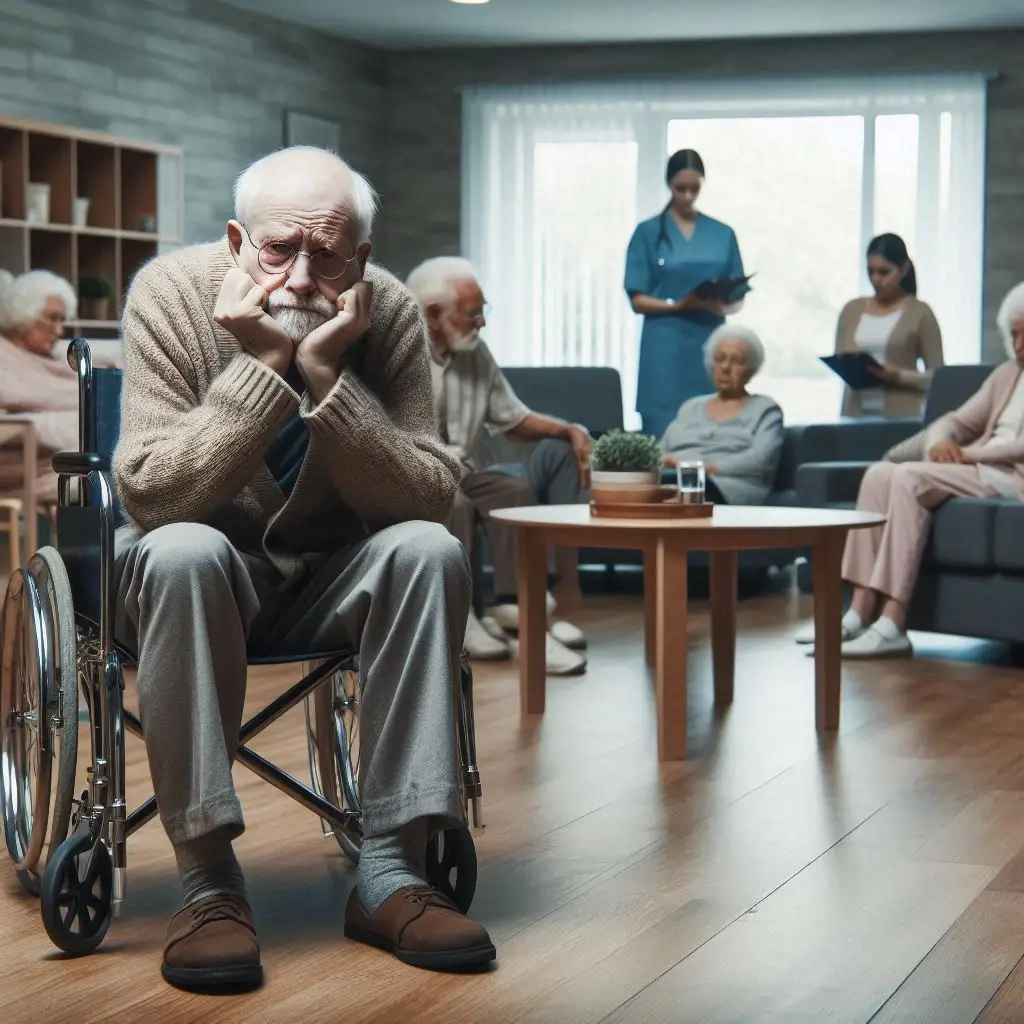
How to Obtain Evidence of Nursing Home Abuse

Nursing home abuse is a serious concern affecting countless elderly individuals in long-term care facilities. It’s vital to recognize the signs and understand the steps to prove abuse to protect your loved ones and ensure they receive the care and respect they deserve.

Types of Nursing Home Abuse

Nursing home abuse can manifest in various forms, including:

  1. Physical Abuse: Inflicting physical harm through hitting, pushing, or improper use of restraints.
  2. Emotional Abuse: Verbal assaults, threats, or harassment that cause emotional distress.
  3. Sexual Abuse: Non-consensual sexual contact or coercion.
  4. Financial Abuse: Illegally or improperly using an elder’s money, assets, or property.
  5. Neglect: Failing to provide essential care, leading to harm or distress.

Recognizing the Signs of Abuse

Understanding the warning signs is crucial to identifying nursing home abuse. These may include:

  • Unexplained injuries or frequent hospital visits.
  • Sudden changes in behavior or emotional withdrawal.
  • Poor hygiene or untreated medical conditions.
  • Unexplained financial transactions or missing belongings.
  • Fear or anxiety around certain staff members or residents.

Steps to Obtain Evidence of Nursing Home Abuse

Proving nursing home abuse involves gathering evidence and presenting a compelling case. Here are the essential steps:

  1. Document Everything:
    • Keep a detailed record of any physical signs of abuse, including photographs of injuries.
    • Note changes in behavior or emotional state.
    • Record dates, times, and descriptions of any suspicious incidents.
  2. Collect Medical Records:
    • Obtain medical records documenting injuries or health issues resulting from abuse or neglect.
    • Seek a second medical opinion if necessary to confirm the findings.
  3. Gather Witness Statements:
    • Talk to other residents, family members, and staff who may have witnessed the abuse.
    • Collect written statements or affidavits detailing what they observed.
  4. Secure Financial Records:
    • Review financial statements for any unauthorized transactions or unusual spending.
    • Keep copies of bank statements, receipts, and financial documents.
  5. Consult Experts:
    • Engage medical experts to provide professional opinions on the injuries and their causes.
    • Consider hiring a forensic accountant if financial abuse is suspected.
  6. Report the Abuse:
    • File a complaint with the nursing home administration and demand an internal investigation.
    • Report the abuse to local authorities, such as Adult Protective Services or the state’s ombudsman for long-term care facilities.
  7. Legal Action:
    • Contact an attorney specializing in elder law or nursing home abuse cases.
    • Consider filing a lawsuit to hold the abusers accountable and seek compensation for damages.

Legal Standards and Burden of Proof

In nursing home abuse cases, the burden of proof lies with the plaintiff. It is essential to establish that the abuse occurred and that it caused harm. The standard of proof in civil cases, such as these, is typically “preponderance of the evidence,” meaning it is more likely than not that the abuse happened.

Conclusion

Proving nursing home abuse requires vigilance, thorough documentation, and often, legal intervention. By understanding the signs and taking prompt action, you can protect your loved ones and ensure they receive the care and dignity they deserve. If you suspect nursing home abuse, don’t hesitate to seek professional advice and take the necessary steps to safeguard your loved ones.

Select Language