Cuáles Son los Derechos de un Inquilino

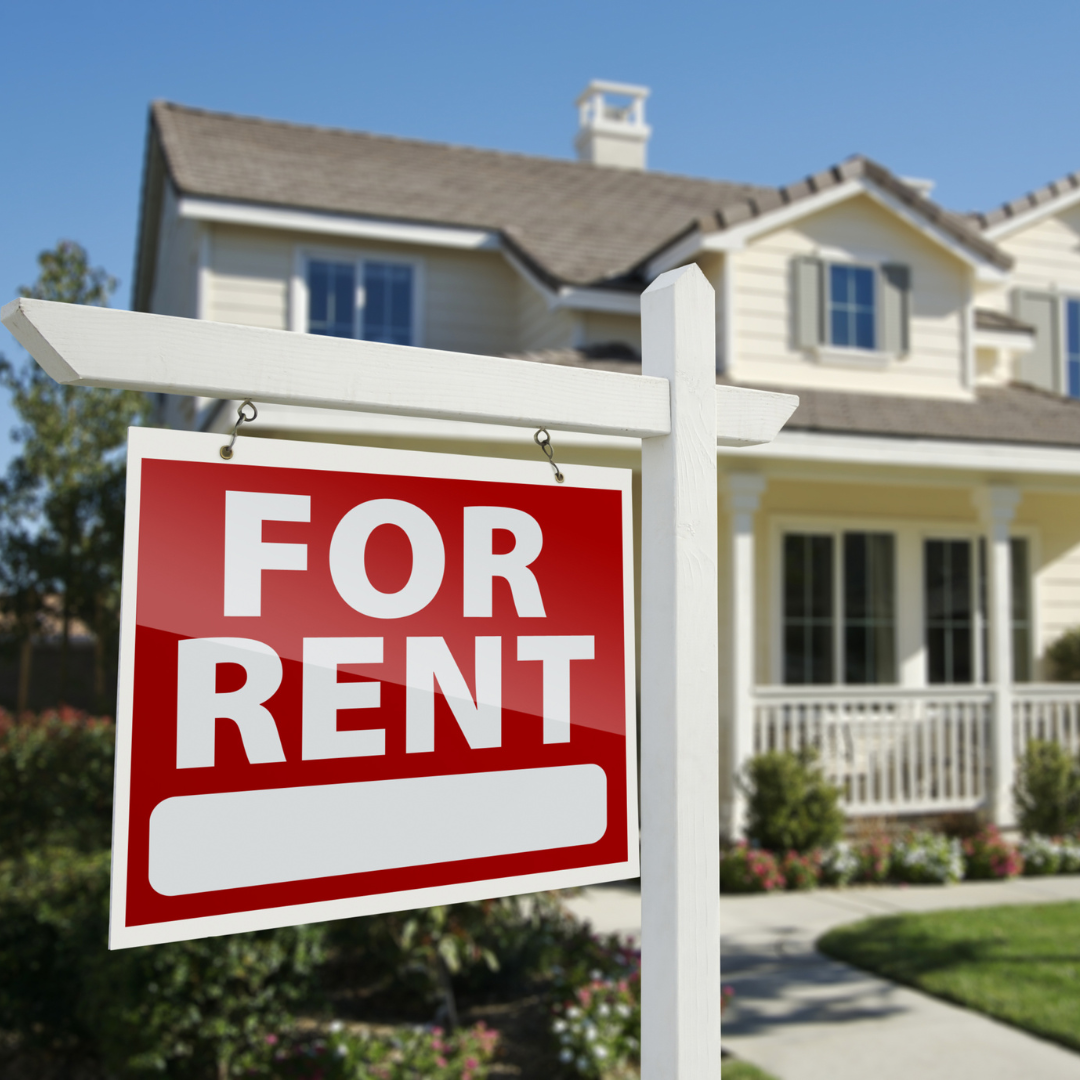
hacia la derecha, cartel rojo de alquiler de bienes raíces frente a una hermosa casa

Cuando se trata de alquilar una vivienda, es fundamental que los inquilinos conozcan y comprendan sus derechos. En Estados Unidos, cada estado tiene leyes específicas que protegen a los inquilinos, y conocer estas leyes puede marcar una gran diferencia en la calidad de vida de quien alquila una propiedad. En este artículo, exploraremos cuáles son los derechos de un inquilino y cómo puede defenderse en caso de enfrentar problemas con su arrendador.

Primero, es importante saber que todos los inquilinos tienen derecho a vivir en una vivienda segura y habitable. Esto significa que el propietario debe mantener la propiedad en buen estado, realizando las reparaciones necesarias y cumpliendo con los códigos de seguridad y salubridad. Si un arrendador no cumple con estas obligaciones, el inquilino tiene el derecho de solicitar que se realicen las reparaciones o, en casos graves, puede retener el pago de la renta hasta que se solucionen los problemas.

Otro derecho clave es el derecho a la privacidad. Los arrendadores no pueden entrar en la vivienda alquilada sin previo aviso, excepto en casos de emergencia. Generalmente, se requiere que el arrendador avise con al menos 24 horas de anticipación antes de entrar en la propiedad. Si un arrendador viola este derecho, el inquilino puede tomar medidas legales.

Además, los inquilinos tienen derecho a un proceso justo en caso de desalojo. Un arrendador no puede desalojar a un inquilino sin una razón válida, como el incumplimiento del contrato de arrendamiento o la falta de pago de la renta. Incluso en estos casos, el arrendador debe seguir un proceso legal que incluye la notificación adecuada y la posibilidad de que el inquilino defienda su caso en la corte.

Es crucial que los inquilinos también conozcan sus derechos en relación con el depósito de seguridad. Este dinero debe ser devuelto al inquilino al finalizar el contrato de arrendamiento, menos cualquier cantidad razonable para cubrir daños a la propiedad más allá del desgaste normal. Si un arrendador retiene el depósito de seguridad sin justificación, el inquilino puede demandar para recuperarlo.

Saber cuáles son los derechos de un inquilino es el primer paso para protegerse contra prácticas abusivas por parte de los arrendadores. Si usted enfrenta cualquier situación en la que sienta que sus derechos están siendo violados, es esencial actuar rápidamente. En Quadros Law Office, estamos aquí para ayudarle a defender sus derechos como inquilino. No dude en contactarnos para obtener asesoría legal y asegurarse de que reciba el trato justo que merece.

¡No espere más! Póngase en contacto con nosotros hoy mismo para una consulta y asegure sus derechos como inquilino.


📞 Mensajes de WhatsApp y llamadas de oficina: 213 603 0000  

💬 Mensajes de texto: 213 884 8300  

✉️ Correo electrónico: info@quadroslawoffice.com  

🌐 Sitio web: www.quadroslawoffice.com  

📍 Visítenos: 453 S Spring Street, Ste 616, Los Angeles, California – 90013 


Descargo de responsabilidad:
La información proporcionada en este artículo tiene fines informativos y no constituye asesoría legal. Las leyes pueden variar según la jurisdicción, y la aplicación de la ley puede depender de las circunstancias específicas de cada caso. Le recomendamos que consulte con un abogado calificado para obtener asesoría legal personalizada antes de tomar cualquier acción basada en la información contenida en este artículo. Quadros Law Office no se responsabiliza por el uso que se haga de la información aquí presentada sin el debido asesoramiento legal.


Tenant’s Rights When Facing Landlord Retaliation: Identifying and Addressing Unfair Treatment

the landlord at the door of the tenant's house

As a tenant, asserting your rights is crucial for ensuring a safe and fair living environment. However, it’s not uncommon for some landlords to retaliate against tenants who exercise their legal rights. Understanding your rights and knowing how to respond to landlord retaliation can protect you from unfair treatment and potential eviction.

What is Landlord Retaliation?

Landlord retaliation occurs when a landlord takes adverse action against a tenant for exercising their legal rights. Common forms of retaliation include raising the rent, reducing services, threatening eviction, or harassing the tenant. Retaliation is illegal in many jurisdictions and tenants have protections under the law.

Common Scenarios of Retaliation

  1. Reporting Health and Safety Violations:
    • When a tenant reports unsafe living conditions to a housing authority or health department, a landlord might respond by attempting to evict the tenant or making living conditions more difficult.
  2. Joining a Tenant’s Association:
    • Landlords may retaliate against tenants who organize or join tenant associations by refusing to renew leases or making arbitrary changes to rental terms.
  3. Filing a Complaint or Lawsuit:
    • If a tenant files a complaint or lawsuit against a landlord for discrimination, breach of contract, or other issues, the landlord may respond with retaliatory actions.
  4. Exercising the Right to Withhold Rent:
    • Tenants may withhold rent until necessary repairs are made. In response, some landlords might threaten eviction or take other retaliatory measures.

Legal Protections Against Retaliation

Most states have laws protecting tenants from retaliation. These laws typically include:

  • Prohibition of Retaliatory Evictions:
    • Landlords cannot evict a tenant in retaliation for asserting their rights, such as requesting repairs or reporting violations.
  • Protection Against Rent Increases and Service Reductions:
    • Landlords are prohibited from raising rent or reducing services as a form of retaliation.
  • Timeframe for Protection:
    • There is often a presumption that any adverse action taken within a certain period (e.g., six months) after a tenant exercises their rights is retaliatory.

Steps to Take If You Face Retaliation

  1. Document Everything:
    • Keep records of all communications with your landlord, including emails, letters, and texts. Document the condition of your rental unit with photos and notes.
  2. Know Your Rights:
    • Familiarize yourself with local tenant laws and protections. Many states have specific statutes that outline tenant rights and protections against retaliation.
  3. Seek Legal Assistance:
    • If you believe you are a victim of retaliation, contact a tenant’s rights organization or attorney who specializes in landlord-tenant law. They can provide guidance and help you take appropriate legal action.
  4. File a Complaint:
    • File a complaint with your local housing authority or other relevant government agencies. Provide them with all documentation and evidence of the retaliatory actions.
  5. Consider Mediation:
    • Some disputes can be resolved through mediation. A neutral third party can help you and your landlord reach an agreement without going to court.

Conclusion

Facing landlord retaliation can be stressful and intimidating, but knowing your rights and how to address unfair treatment is essential. By documenting incidents, understanding legal protections, seeking legal assistance, and possibly utilizing mediation, tenants can effectively stand up against retaliatory actions. Remember, the law is on your side to ensure a fair and just living environment.

Tenant retaliation is a serious issue, but with the right knowledge and resources, you can protect yourself and ensure your rights are upheld. If you find yourself in a retaliatory situation, don’t hesitate to seek help and take action to safeguard your living conditions and peace of mind.


Need Help? Contact Quadros Law Office Today!

If you are experiencing retaliation from your landlord or need assistance with any tenant-related issue, Quadros Law Office is here to help. Our dedicated team is committed to ensuring your rights are protected and that you receive fair treatment. Contact us today for a consultation.

📞 WhatsApp Message and Office Calls: 213 603 0000  

💬 Text Messages: 213 884 8300  

✉️ E-mail: info@quadroslawoffice.com  

🌐 Website: www.quadroslawoffice.com  

📍 Visit us: 453 S Spring Street, Los Angeles, California – 90013  


Disclaimer: This article is for informational purposes only and does not constitute legal advice. For specific legal guidance regarding your situation, please consult a qualified attorney.

Processing…
Success! You're on the list.

Dealing with Noisy Neighbors: Resolving Conflict Amicably

Stressed unhappy couple suffering from noisy neighbor. Disadvantages of living in apartment building

Dealing with noisy neighbors can be a frustrating experience, but resolving conflict amicably is possible. In this article, we’ll explore effective strategies for handling noise disputes with your neighbors and how legal support from Quadros Law Office in Los Angeles can help you maintain a peaceful living environment.

Understanding Your Rights as a Tenant

Before taking any action, it’s essential to understand your rights as a tenant when dealing with noisy neighbors. Most rental agreements and local laws include clauses about noise levels and quiet hours. Familiarize yourself with these regulations to ensure you have a strong foundation for addressing the issue.

Communicating with Your Neighbors

The first step in resolving conflict with noisy neighbors is to communicate directly with them. Here are some tips for effective communication:

  • Be Polite and Respectful: Approach your neighbor calmly and politely. Express your concerns without accusing or blaming them.
  • Explain the Impact: Let them know how the noise is affecting your daily life. Sometimes, neighbors may not realize how loud they are being.
  • Propose Solutions: Suggest potential solutions, such as adjusting quiet hours or using noise-reducing measures.

Involving Your Landlord in Noise Conflict Resolution

If direct communication doesn’t resolve the issue with your noisy neighbors, consider involving your landlord. Provide them with detailed information about the noise problem, including dates and times of disturbances. Your landlord may be able to mediate the situation or enforce noise regulations in the building.

Seeking Mediation Services for Noise Conflicts

Mediation can be an effective way to resolve noise conflicts without escalating the situation. Mediators are neutral third parties who can help both sides come to an agreement. Many communities offer free or low-cost mediation services for tenants dealing with noisy neighbors.

Legal Support from Quadros Law Office for Resolving Noise Conflicts

If all else fails, seeking legal support may be necessary to resolve conflicts with noisy neighbors. At Quadros Law Office in Los Angeles, our dedicated attorneys can assist you in:

  • Understanding your legal rights regarding noise disturbances
  • Communicating with your landlord and neighbors effectively
  • Taking appropriate legal action if necessary

Don’t let noisy neighbors disrupt your peace. Contact Quadros Law Office today to schedule a consultation and explore your legal options for resolving noise conflicts amicably.

📞 WhatsApp Message and Office Calls: 213 603 0000  

💬 Text Messages: 213 884 8300  

✉️ E-mail: info@quadroslawoffice.com  

🌐 Website: www.quadroslawoffice.com  

📍 Visit us: 453 S Spring Street, Los Angeles, California – 90013  

Disclaimer

The information provided in this article is for general informational purposes only and does not constitute legal advice. Consult with a qualified attorney to discuss your specific circumstances and receive tailored guidance.

Dealing with Landlord Entry: Know Your Privacy Rights

As a tenant, it’s crucial to understand your privacy rights and how to handle situations where your landlord may need to enter your rental property. Knowing your rights can help you protect your privacy and maintain a positive landlord-tenant relationship. In this article, we’ll explore the key aspects of landlord entry, your rights as a tenant, and how to address any potential issues.

Understanding Landlord Entry Rights

Landlords have the right to enter their rental property under certain circumstances, but they must follow specific rules and regulations. In California, the law requires landlords to provide reasonable notice and to enter the property only for specific reasons, such as:

  • Making necessary or agreed-upon repairs
  • Showing the property to prospective tenants, buyers, or lenders
  • Conducting inspections related to the lease agreement
  • Addressing emergency situations that threaten the safety of the property or its occupants

Notice Requirements for Landlord Entry

In most cases, landlords must provide tenants with at least 24 hours’ written notice before entering the rental unit. The notice should include the date, time, and purpose of the entry. There are exceptions to this rule, such as emergencies, where the landlord may enter without prior notice to address urgent issues.

Tenant Rights and Protections

As a tenant, you have the right to:

  • Privacy: Your rental unit is your private space, and your landlord must respect that privacy.
  • Notice: You should receive proper notice before your landlord enters your unit, except in emergencies.
  • Reasonable Hours: Landlords should enter your unit during reasonable hours, typically between 8 AM and 5 PM, unless you agree to a different time.

How to Handle Unlawful Landlord Entry

If your landlord enters your rental unit without proper notice or for unauthorized reasons, you have several options:

  1. Communicate: Start by discussing the issue with your landlord. Sometimes, misunderstandings can be resolved through open communication.
  2. Document: Keep records of any unauthorized entries, including dates, times, and details of the incidents.
  3. Seek Legal Advice: If the problem persists, it may be time to seek legal advice. An attorney can help you understand your rights and take appropriate action.

Why Legal Support is Beneficial

Navigating landlord-tenant issues can be challenging, especially when it comes to privacy rights. At Quadros Law Office in Los Angeles, our dedicated attorneys are here to support you. We can assist you in:

  • Understanding your rights as a tenant
  • Communicating effectively with your landlord
  • Taking legal action if necessary to protect your privacy

Protect your privacy rights and ensure your landlord respects your space. Contact Quadros Law Office today to schedule a consultation and get the legal support you need.

📞 WhatsApp Message and Office Calls: 213 603 0000  

💬 Text Messages: 213 884 8300  

✉️ E-mail: info@quadroslawoffice.com  

🌐 Website: http://www.quadroslawoffice.com  

📍 Visit us: 453 S Spring Street, Ste 616, Los Angeles, California – 90013  

Disclaimer

The information provided in this article is for general informational purposes only and does not constitute legal advice. Consult with a qualified attorney to discuss your specific circumstances and receive tailored guidance.

Understanding Property Owner Rights in Real Estate

Property ownership is a cornerstone of American life, offering not only a place to live but also a significant financial asset. However, owning property comes with a complex set of rights and responsibilities. This article explores the fundamental rights of property owners, the legal protections available, and the common challenges they may face.

Fundamental Property Owner Rights

As a property owner, you have several key rights that are protected by law:

  1. Right to Possession: This is the fundamental right to occupy and control your property. As the owner, you have the exclusive right to enter and use your property as you see fit, within the limits of the law.
  2. Right to Control: You have the authority to manage your property, including making improvements, modifications, and changes. This right, however, is subject to local zoning laws, building codes, and other regulations.
  3. Right to Exclusion: You can prevent others from entering or using your property without your permission. This includes the right to erect fences or other barriers to secure your land.
  4. Right to Enjoyment: You are entitled to use your property without interference from others. This right ensures that you can enjoy your property in peace, free from nuisances or disturbances.
  5. Right to Disposition: You have the right to sell, lease, or transfer ownership of your property. This includes the ability to bequeath your property to heirs or donate it to a charitable organization.

Legal Protections for Property Owners

Several legal frameworks and regulations protect the rights of property owners:

  1. Zoning Laws: These laws regulate land use and ensure that properties are used in a manner that is consistent with community standards. Zoning laws can dictate the types of buildings allowed on a property, the activities that can be conducted, and the property’s overall appearance.
  2. Eminent Domain: This is the power of the government to take private property for public use, provided that just compensation is given. Property owners are protected by the Fifth Amendment, which requires that the government provides fair market value for the property taken.
  3. Adverse Possession: This legal doctrine allows someone to claim ownership of land under certain conditions, such as continuous and open use of the property without the owner’s permission for a specified period. Property owners can protect their rights by monitoring and controlling access to their property.
  4. Landlord-Tenant Laws: For property owners who rent out their property, these laws govern the relationship between landlords and tenants. They cover aspects such as lease agreements, security deposits, maintenance obligations, and eviction procedures.

Common Challenges for Property Owners

Despite these protections, property owners may face several challenges:

  1. Disputes with Neighbors: Common issues include boundary disputes, noise complaints, and conflicts over shared amenities. These disputes can often be resolved through mediation or legal action if necessary.
  2. Property Taxes: Property owners are required to pay taxes based on the assessed value of their property. Disputes over property valuations can lead to appeals and adjustments through local tax authorities.
  3. Maintenance and Repairs: Owners are responsible for maintaining their property to ensure it is safe and habitable. Failure to do so can lead to legal action from tenants or municipal authorities.
  4. Foreclosure: Financial difficulties can lead to foreclosure, where the lender takes possession of the property due to non-payment of the mortgage. Property owners have certain rights during the foreclosure process, including the right to reinstate the loan and the right to redemption.

How Quadros Law Office Can Help

Navigating the complexities of property ownership can be challenging. At Quadros Law Office, we are committed to helping property owners understand and protect their rights. Whether you are facing a dispute, dealing with zoning issues, or need assistance with a property transaction, our dedicated team is here to provide the support and guidance you need.

If you have questions or need legal assistance regarding your property rights, contact Quadros Law Office today. Let us help you safeguard your investment and ensure your property is used and enjoyed to its fullest potential.


📞 WhatsApp Message and Office Calls: 213 603 0000  

💬 Text Messages: 213 884 8300  

✉️ E-mail: info@quadroslawoffice.com  

🌐 Website: http://www.quadroslawoffice.com  

📍 Visit us: 453 S Spring Street, Los Angeles, California – 90013  

Disclaimer

This article is for informational purposes only and does not constitute legal advice. For specific legal advice related to your situation, please consult with a qualified attorney.

Select Language